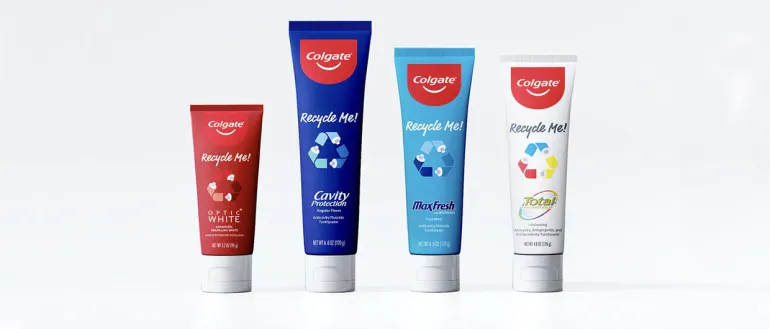
In an era where environmental consciousness significantly influences consumer choices, companies are increasingly highlighting the sustainability of their products. However, these "green" claims are not always met without skepticism. Global consumer goods giant, Colgate-Palmolive, now finds itself embroiled in a significant Colgate lawsuit, facing accusations that its marketing of "recyclable" toothpaste tubes is misleading to consumers.
This legal challenge underscores a growing trend of consumers and regulatory bodies scrutinizing environmental claims, often referred to as 'greenwashing.' The lawsuit alleges that despite Colgate's innovative efforts to create a truly recyclable toothpaste tube, its messaging might still lead a "reasonable consumer" astray. A recent ruling by a federal judge denied Colgate’s motion to dismiss the case, paving the way for the lawsuit to proceed and sparking further debate on corporate environmental responsibility and transparent communication.
The Heart of the Matter: Recyclability Claims Under Scrutiny
At the core of this Colgate lawsuit is the company's pioneering development of a monomaterial High-Density Polyethylene (HDPE) toothpaste tube. Traditionally, toothpaste tubes have been notoriously difficult to recycle due to their multi-layered construction, which combines various plastics and sometimes aluminum, making separation impractical for recycling facilities. Colgate's innovation aimed to change this by creating a tube made entirely from No. 2 HDPE, the same type of plastic used for milk jugs and detergent bottles, which is widely accepted in curbside recycling programs.
Colgate's Innovation and the Consumer Expectation
Colgate launched its monomaterial HDPE tube with the clear intention of making toothpaste packaging genuinely recyclable. This was a significant step forward, lauded by some in the recycling industry as a potential game-changer. The idea was simple: if a toothpaste tube could be made from a single, commonly recycled plastic, it could be processed alongside other everyday items, thereby reducing landfill waste.
However, the plaintiffs in the current consumer class action argue that while the tubes may be *technically* recyclable, the reality of widespread recycling infrastructure and consumer behavior creates a disconnect. They contend that simply being made from recyclable material does not guarantee that the tubes are *actually* recycled by the average consumer or processed by local facilities. The lawsuit suggests that Colgate's messaging, which highlights the tubes as "recyclable," might oversimplify the process or imply a universal recyclability that doesn't fully exist for all consumers in all locations.
Why the Lawsuit Is Proceeding: Judge Spero's Reasoning
The latest development saw Judge Joseph Spero of the United States District Court for the Northern District of California reject multiple arguments put forth by Colgate to dismiss the lawsuit. In his decision, Judge Spero deemed certain of Colgate's points "unpersuasive," concluding that a "reasonable consumer might be misled by some of the recyclability messaging."
This ruling is crucial. It doesn't determine Colgate's guilt or innocence, but rather affirms that the plaintiffs have presented a plausible argument that warrants further legal examination. It signals that courts are increasingly willing to delve deeper into the nuances of environmental claims, moving beyond mere technical definitions to consider how these claims are perceived and acted upon by the general public. For Colgate, this means facing a potentially lengthy and costly legal battle to defend its marketing practices and the efficacy of its environmental initiatives.
The Broader Landscape of Greenwashing and Corporate Responsibility
This Colgate lawsuit is not an isolated incident but rather indicative of a larger trend. As consumers become more environmentally conscious, their purchasing decisions are increasingly influenced by a brand's sustainability credentials. This shift has led to a proliferation of "green" marketing, where companies highlight the environmental benefits of their products and operations.
The Rise of "Green" Marketing and Legal Challenges
While genuine efforts towards sustainability are commendable, the competitive landscape has also given rise to "greenwashing" — the practice of making unsubstantiated or misleading claims about the environmental benefits of a product, service, or company. This can range from vague assertions like "eco-friendly" to more specific, but ultimately misleading, claims about recyclability, biodegradability, or carbon neutrality.
The Colgate lawsuit concerning its toothpaste tubes fits squarely within this context of heightened scrutiny. Consumer advocacy groups, competitors, and even government regulators are increasingly challenging companies to substantiate their environmental claims with verifiable data and transparent communication. For companies, a single misstep in green marketing can lead to significant financial penalties, reputational damage, and a loss of consumer trust, as this ongoing Colgate lawsuit vividly illustrates.
Tips for Consumers and Companies Regarding Sustainability Claims
Navigating the complex world of environmental claims can be challenging for both consumers and corporations. Here are some practical tips:
- For Consumers:
- Look for Specificity: Be wary of vague terms like "natural" or "green." Seek out specific details about what makes a product sustainable.
- Check Certifications: Reputable third-party certifications (e.g., USDA Organic, Fair Trade, B Corp) provide independent verification of claims.
- Research Local Recycling: Understand what your local recycling facility actually accepts. A product might be "recyclable" in theory but not practically in your area.
- Question the Packaging: Consider the entire lifecycle of a product, not just one aspect.
- For Companies:
- Be Transparent: Clearly communicate the limitations or conditions of any environmental claim. If a product is recyclable in some areas but not others, state that.
- Substantiate Your Claims: Have scientific data and evidence to back up every environmental statement.
- Avoid Ambiguity: Use precise language. Don't imply a broader environmental benefit than what truly exists.
- Educate Your Consumers: Provide clear instructions on how to properly recycle or dispose of your products, especially if new methods are required.
- Consider the "Reasonable Consumer": Put yourself in the shoes of an average consumer and consider how they might interpret your claims.
Another Significant Colgate Lawsuit: The $332 Million Pension Settlement
Beyond the unfolding environmental dispute, Colgate-Palmolive has recently navigated another substantial legal challenge, reaching a significant $332 million settlement in a decades-long class action lawsuit concerning employee pension benefits. This historic Colgate lawsuit, known as McCutcheon et al. v. Colgate-Palmolive Co., highlights the enduring complexities of employee retirement plans and corporate fiduciary duties.
A Decades-Long Battle Over Employee Benefits
The genesis of this pension Colgate lawsuit dates back to 1989 when the company transitioned from a traditional pension plan to a cash-balance plan. While designed to offer more flexibility, cash-balance plans quickly became a source of contention due to their intricate calculation methods. Over a thousand current and former employees alleged that Colgate had underpaid their lump-sum distributions from the retirement plan, leaving them shortchanged for years.
The dispute intensified as plaintiffs argued that even Colgate's 2005 attempt to rectify the issue with a retroactive amendment fell short. This disagreement spurred years of litigation, with claims filed under the Employee Retirement Income Security Act (ERISA), a federal law designed to protect employees' retirement and health benefits. The case became a poignant reminder that changes made decades ago can still have profound and costly repercussions. For a detailed look at the settlement's impact, read our articles: Colgate Settles $332M Pension Lawsuit: What It Means for Employees and Colgate's Decades-Long Pension Battle Ends with $332M Settlement.
The $332 Million Resolution: Implications for Workers and Corporations
After nearly two decades of legal wrangling, including numerous motions and appeals, Colgate-Palmolive agreed to pay $332 million to resolve the class action. While Colgate did not admit liability, the settlement — one of the largest pension-related payouts in recent memory — effectively closes the book on this protracted legal battle. Approximately $232.7 million is expected to flow directly to the affected 1,177 employees and retirees, after legal fees and expenses are deducted.
This settlement sends a clear message to corporations: even seemingly small errors or ambiguities in pension calculations can snowball into massive liabilities over time. For employees, it underscores the power of persistence and the critical role of legislation like ERISA in safeguarding their financial futures, even when challenging a Fortune 500 company.
What These Lawsuits Mean for Colgate's Future
These distinct but equally significant legal challenges underscore the complex environment in which global corporations like Colgate-Palmolive operate. The ongoing Colgate lawsuit over recyclable toothpaste tubes is particularly critical for its brand image, as it directly impacts its reputation for sustainability and corporate responsibility. In an age where consumers demand authenticity, how Colgate navigates this greenwashing allegation will undoubtedly shape public perception for years to come.
Simultaneously, the colossal pension settlement serves as a stark reminder of the long-term financial and legal ramifications of employee benefits management. Both cases highlight the need for meticulous attention to detail, transparent communication, and a proactive approach to compliance in all aspects of business operations.
Colgate, like many multinational companies, operates under intense scrutiny from consumers, employees, and legal entities. These lawsuits are not just financial burdens; they are public tests of integrity and accountability that define a company's standing in the modern marketplace.
The ongoing Colgate lawsuit regarding its 'recyclable' toothpaste tubes marks a pivotal moment in the discourse around corporate environmental claims. As the legal proceedings unfold, it will undoubtedly contribute to the evolving standards for "green" marketing and consumer protection. Meanwhile, the resolution of the decades-long pension dispute stands as a powerful testament to the importance of meticulous financial management and steadfast employee advocacy. For Colgate, these legal battles underscore an undeniable truth: in today's interconnected world, ethical business practices and clear, truthful communication are not just good for public relations; they are essential for long-term viability and trust.